


.jpg)
Sephora: Why Local Community Insight Is the New Retail Strategy
At this year’s Retail Technology Show, one theme kept surfacing: the retailers winning today aren’t just data-led - they’re community-led.
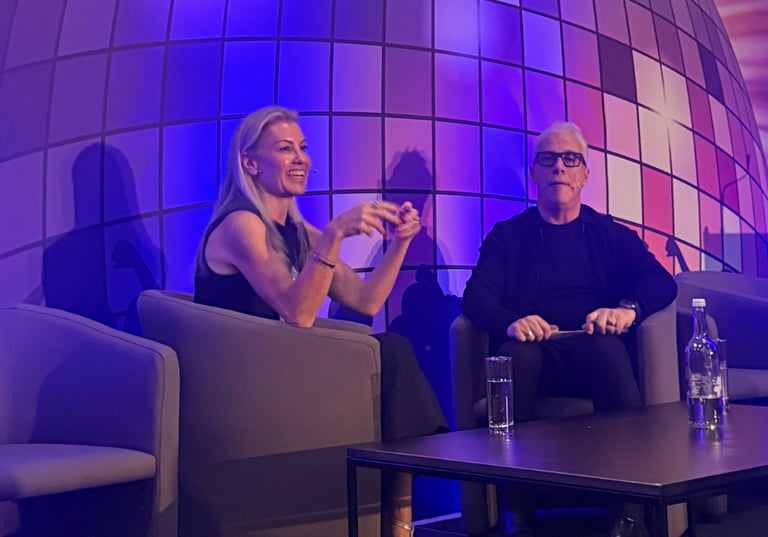
A standout session from Sarah Boyd, Managing Director, UK at Sephora, brought this to life, sharing how one of the world’s most recognisable beauty brands is scaling globally while staying deeply local.
Her message was clear: retail strategy built on real human insight, not assumptions, is what drives relevance, loyalty, and long-term growth.
Retail isn’t dead; boring retail is
There’s been a lot of noise about the decline of the high street, but according to Sephora’s approach, the reality is much simpler: physical retail isn’t dead, boring retail is dead.
Success today comes down to three fundamentals:
1. Product relevance
Retailers need to constantly ask: what are we selling today? And what will customers want tomorrow?
Sephora leans on a global network of merchants to spot trends early, sharing insights across regions to stay ahead. It’s not just about stocking products, it’s about curating what truly resonates with customers.
2. Experience that blends physical and digital
Modern retail is experiential. Customers expect more than shelves; they want interaction, discovery, and personalisation.
From in-store skin scanning technology to hundreds of live events (over 750 in 2025 alone), Sephora is blending tech with human expertise to create memorable moments.
But crucially, experience isn’t just about innovation, it’s about accessibility too. For example, introducing quiet hours in-store every Tuesday and Thursday (with dimmed lights and reduced noise) supports neurodivergent customers, while also appealing to a much broader audience.
3. Community as a growth engine
Sephora’s community isn’t just its customers; it’s layered and includes:
- Internal teams and beauty advisors.
- Brand partners and suppliers.
- A global loyalty base of over 80 million members or “Sephorans”.
- And a wider halo of customers, creators, and advocates.
This ecosystem fuels both brand relevance and commercial performance.
The power of hyperlocal retail
One of the most compelling takeaways was Sephora’s hyperlocal approach to store launches. When opening in cities like Glasgow and Edinburgh, the team didn’t rely on generic playbooks. Instead, they:
- Hosted roundtables with loyal customers and local voices.
- Engaged community leaders, from tourism boards and charities to mayors and local restaurants.
- Learned how people in each city actually live, speak, shop, and socialise.
These insights weren’t just “nice to have”; they directly shaped execution.
Take the launch of their Newcastle store, for example:
- A collaboration with Greggs featuring influencer boxes and a (very on-brand) “steak bake makeover”.
- Local DJs and radio stations running the in-store experience.
- Beauty concepts inspired by regional culture (think “glazed doughnut” looks inspired by Greggs).
Everything was sourced, inspired, and delivered locally. The result? Retail that feels personal - not prescribed.
Loyalty starts with people… and innovation
While community drives connection, loyalty programmes turn that connection into long-term value.
Sephora’s success here starts on the shop floor:
- Hiring teams that reflect the diversity of their customers.
- Investing heavily in training and brand knowledge.
- Empowering beauty advisors to deliver personalised service at scale.
Loyalty today isn’t just about people; it’s also about data and insight. This is where digital infrastructure plays a critical role. And Yocuda is proud to be Sephora’s digital receipt provider - blending beauty with innovation and enabling Sephora customers to further engage with the brand.
Insight-led retail strategy wins
If there’s one clear takeaway from Sarah Boyd, it’s this: retail strategy built on real, local insight will always outperform generic, top-down approaches.
Whether it’s understanding how a specific community shops, designing inclusive in-store experiences or using data to personalise engagement.
The retailers that listen and act are the ones that will grow because, ultimately, retail isn’t just about selling products; it’s about understanding people and their needs.
For more information on how Yocuda enhances the checkout and post-purchase experience, request a demo below.

.png?width=352&name=yocuda%20digital%20receipts%20turn%2015%20(1).png)