
.png?width=352&name=ER%20(1).png)
The most innovative retail stores in Paris: what retailers can learn
What makes a great physical retail experience?
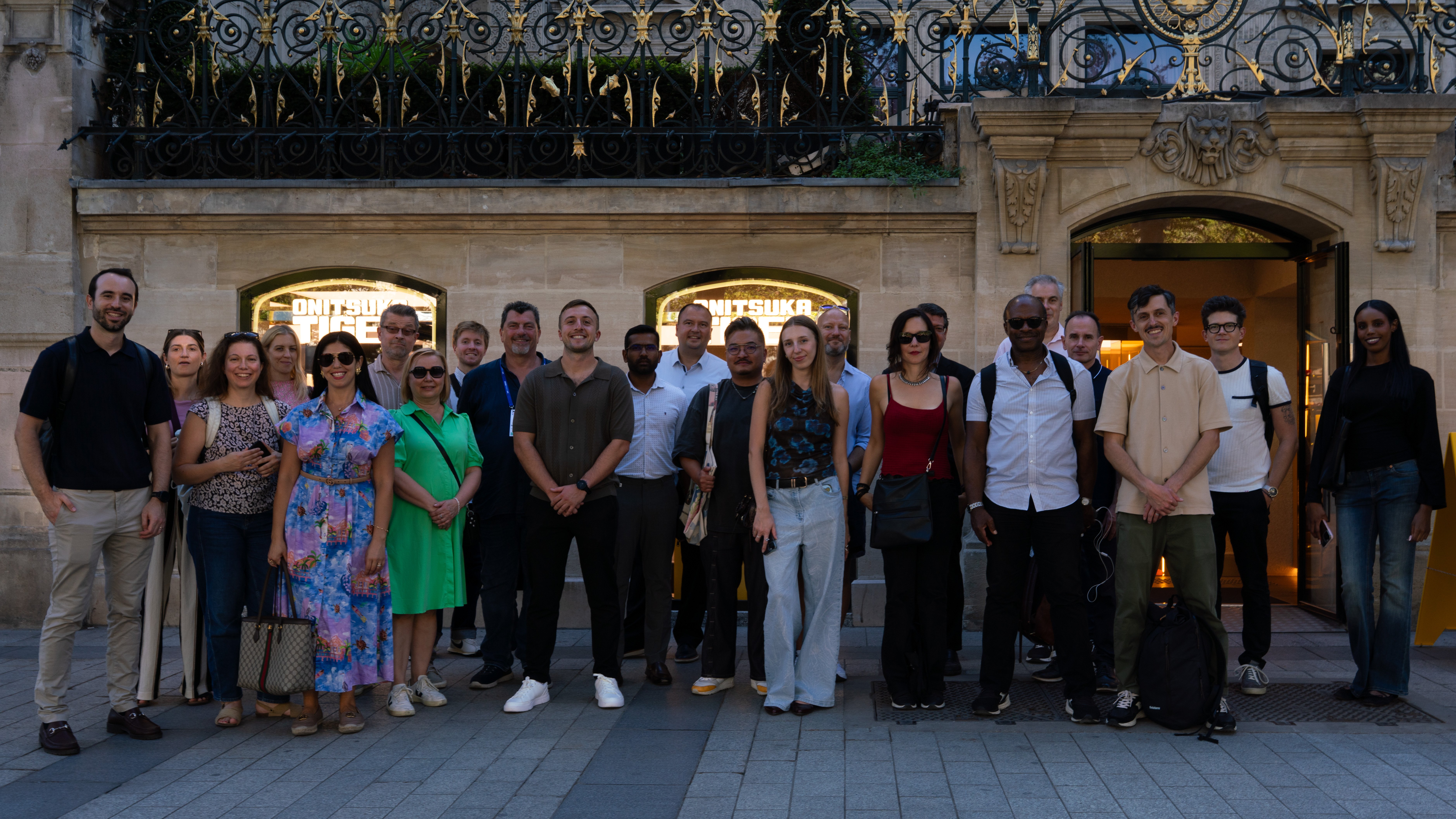
The day before NRF Paris, we joined retail expert Jack Stratten for a retail store tour along the iconic Champs-Élysées, exploring some of the most innovative retail spaces in the city alongside Shift4, Jumpmind, Kibo and OLR.
The stores varied from luxury coffee and furniture to sneakers, running shoes and automotive. But there was a clear theme across many of them: the store is doing much more than facilitating a transaction.
Here are some of the stores that stood out.
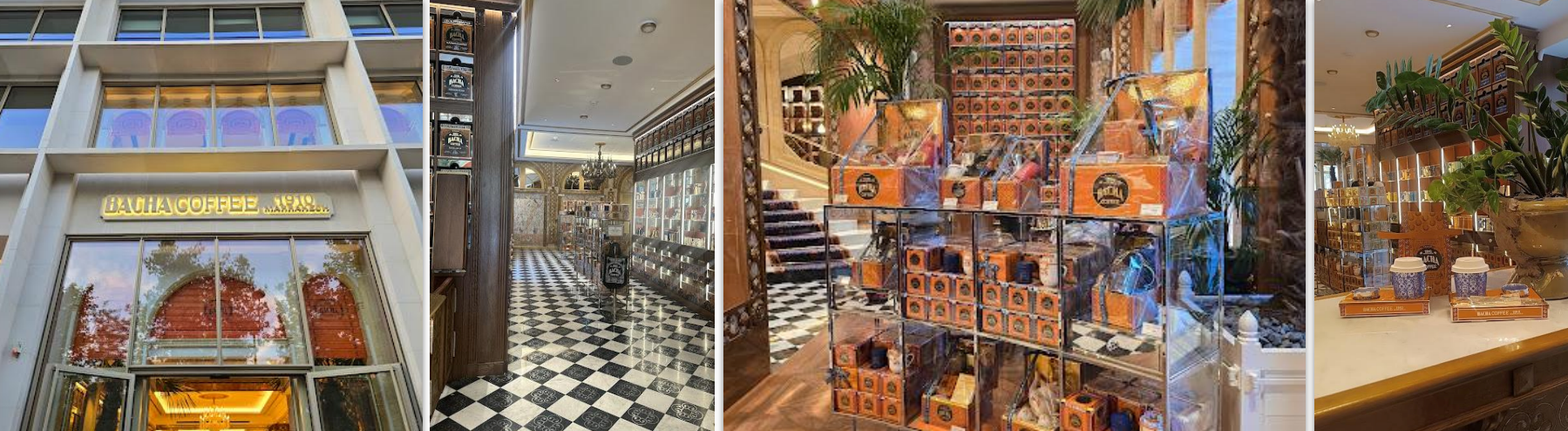
Bacha Coffee: make the everyday feel special
Coffee is a familiar product, but Bacha Coffee has created a retail experience around it that feels anything but ordinary.
While many coffee businesses are focused on making the customer journey faster, Bacha does the opposite. The process of choosing and buying coffee is deliberately considered and immersive.
The visual merchandising is impressive without overwhelming the product, while details such as tiles, panelling and packaging create a consistent brand experience throughout the space.
Whether you're buying coffee to take home, picking up a gift or sitting down for a coffee, every part of the experience feels considered.
Key takeaway: convenience isn't the only way to improve a customer journey. Sometimes the opportunity is to give customers a reason to spend more time with your brand.
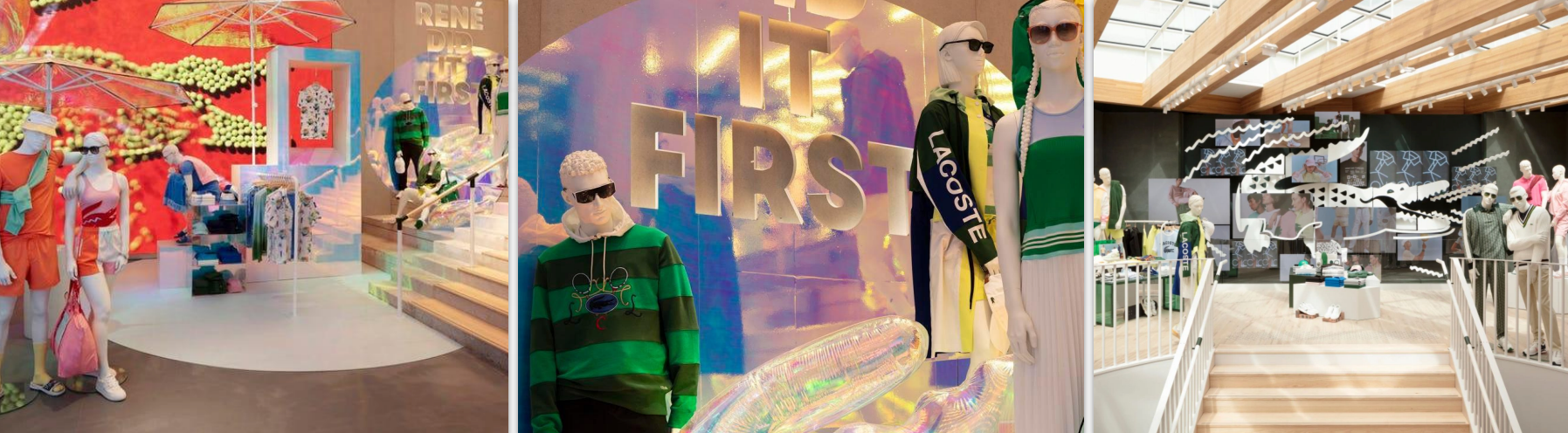
Lacoste Arena: make the store a destination
At 1,600m², Lacoste Arena is the world's largest Lacoste store and much more than a traditional retail space.
The store brings together retail, customisation, events and cultural experiences. The Polo Factory takes visitors through the lifecycle of the iconic Lacoste polo, while interactive installations and a photo booth add another layer to the experience.
Customers can also customise products and take them away the same day, creating a more personal connection with what they've bought.
There are dedicated areas for guest pop-ups, events and exhibitions too, giving customers reasons to return beyond simply shopping.
Key takeaway: flagship stores can play a much bigger role in building brand engagement when they're designed as spaces people want to revisit.
RH Paris: rethink what a store can be
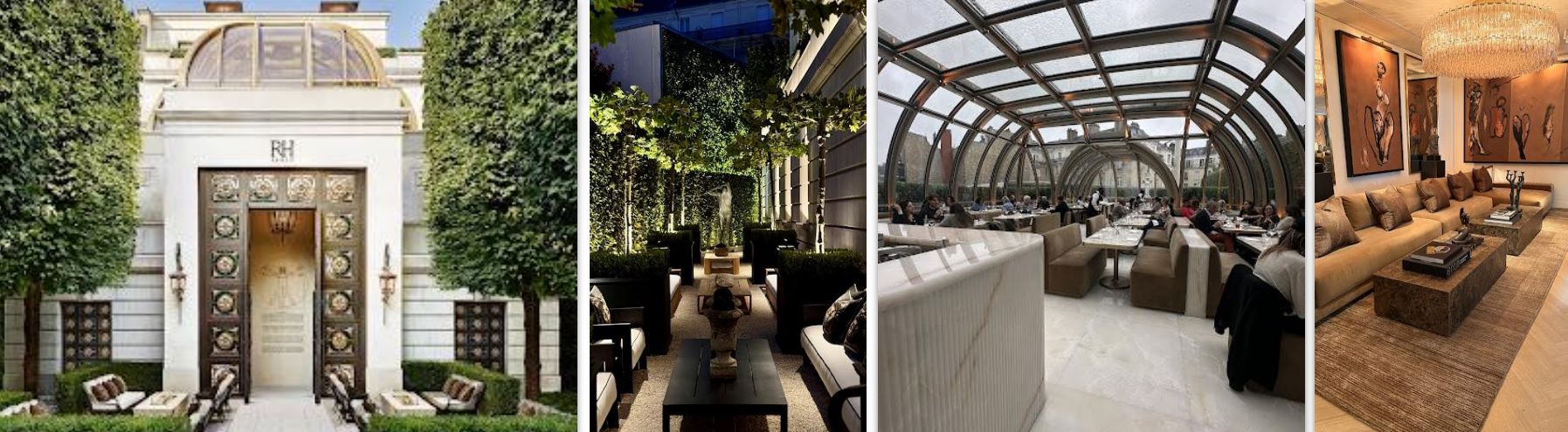
RH Paris, formerly Restoration Hardware, feels closer to a gallery or museum than a conventional furniture store.
The seven-floor, 42,000-square-foot space combines furniture, antiques, art and design installations, giving customers inspiration rather than simply presenting products.
Hospitality is also a major part of the experience, with two dining spaces, a lounge and bar. The RH Interior Design Studio gives visitors somewhere to turn that inspiration into their own home designs.
It's a good example of how retailers can create an environment where customers want to spend time, even when they're not immediately looking to buy.
Key takeaway: retail space can serve as a source of inspiration, expertise and hospitality as well as somewhere to transact.
Onitsuka Tiger: expand the brand experience
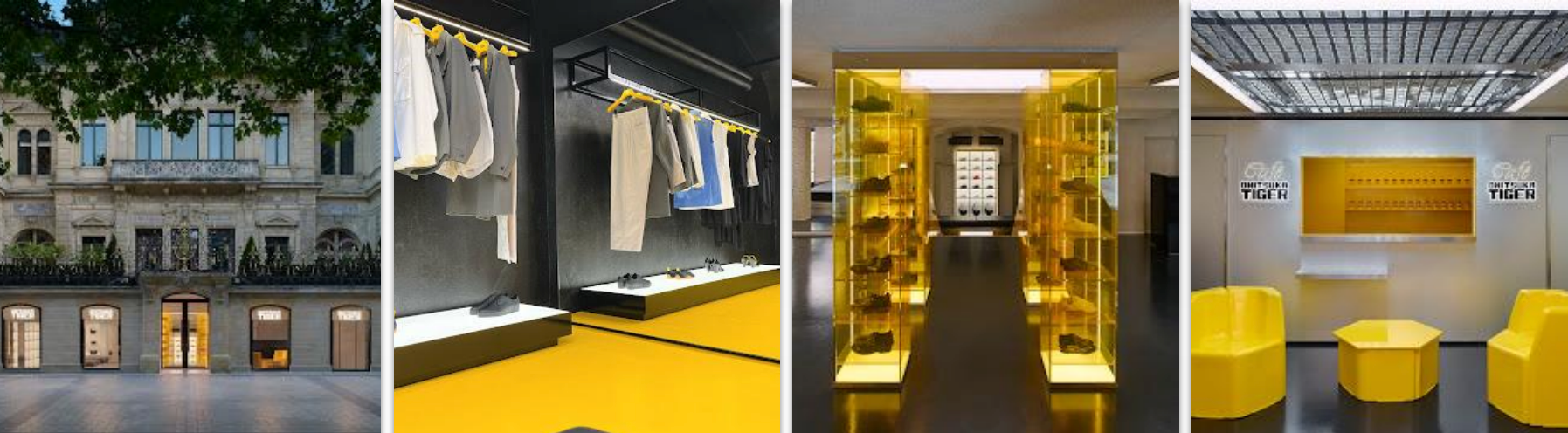
Onitsuka Tiger's Paris flagship shows how physical retail can support a brand's evolution.
The store is built around its Yellow Concept, with bright yellow details used throughout the space to highlight the collection. A former bank vault has even been converted into the dressing rooms.
The brand has also moved beyond its sporting heritage. An in-store café offers another way to engage with the brand, while its own coffee blend and newly introduced fragrances extend the experience into new categories.
Key takeaway: stores can help customers experience a brand in a broader way than its core product category alone.
Le Défilé Renault: create reasons to visit
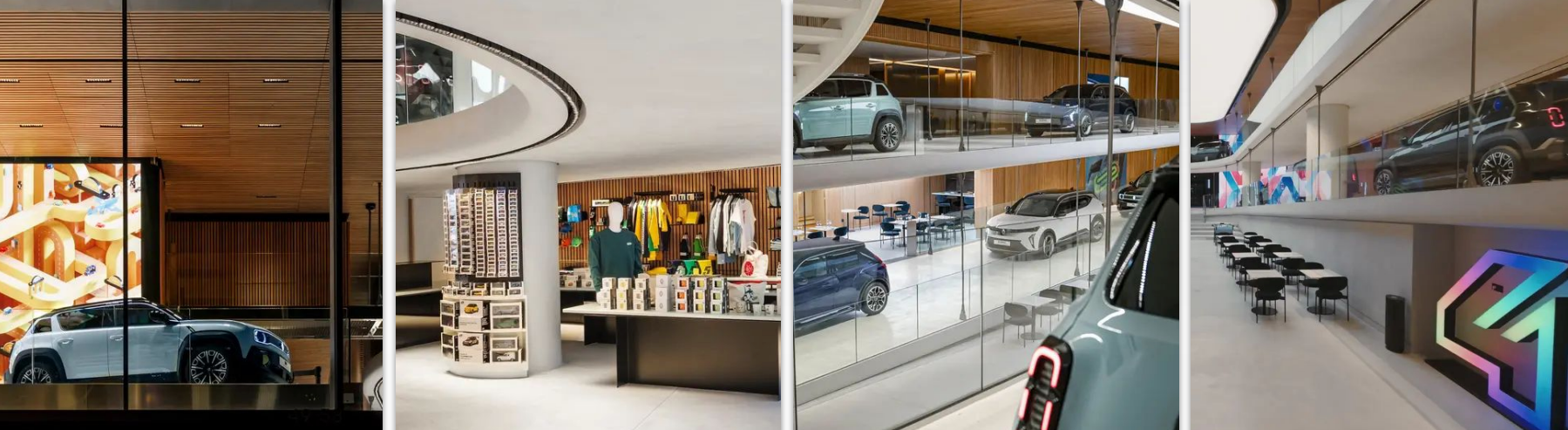
Renault has had a presence on the Champs-Élysées for more than 115 years. Its latest flagship, Le Défilé Renault, opened in 2025 and takes a broader approach to the traditional showroom.
Designed as a mobility laboratory, the space includes a café, terrace and brand shop alongside its vehicles.
The multi-floor central carwalk creates a route through the building, while visitors can book test drives, explore financing and leasing options or speak to specialists.
The result is a space that can attract visitors even when buying a car isn't immediately on their agenda.
Key takeaway: retailers can create more value from physical space by giving customers multiple reasons to visit.
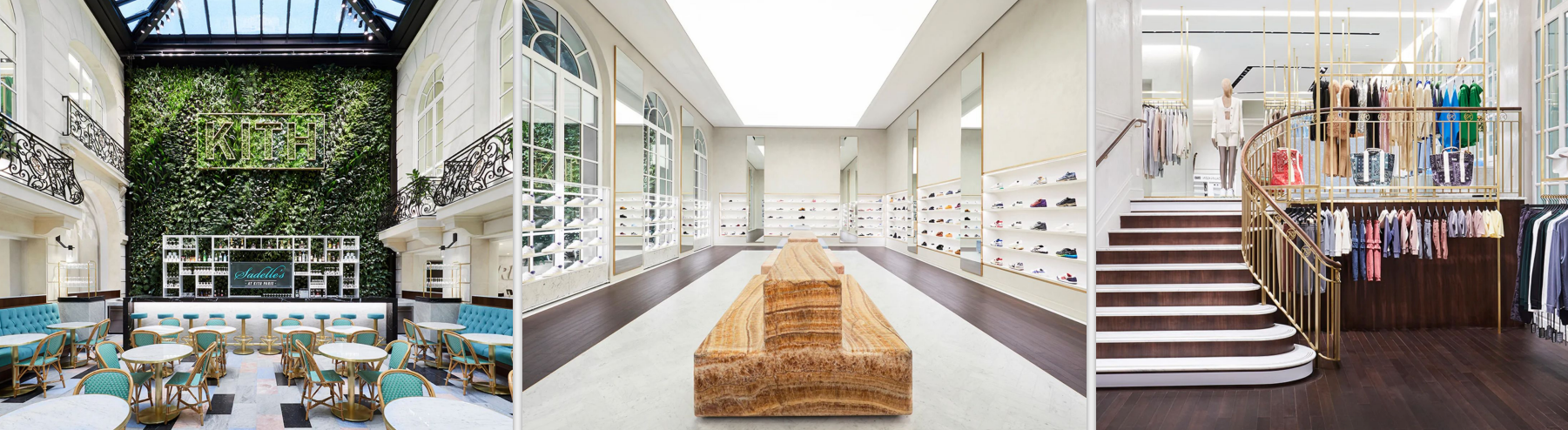
Kith: retail meets culture
New York-based Kith is a good example of how fashion retail is increasingly blending with food, design and culture.
Its 16,000-square-foot Paris flagship combines Kith's minimalist aesthetic with references to the city. The ceiling, covered with plaster-cast Air Max 1 sneakers, is a particularly striking feature.
The store also includes Sadelle's, the first international location of the New York restaurant, alongside a Kith Treats bar serving cereal and ice cream. It's a combination that makes the store feel like more than a place to shop.
Key takeaway: bringing complementary experiences into a retail environment can give customers another reason to visit and spend time with the brand.
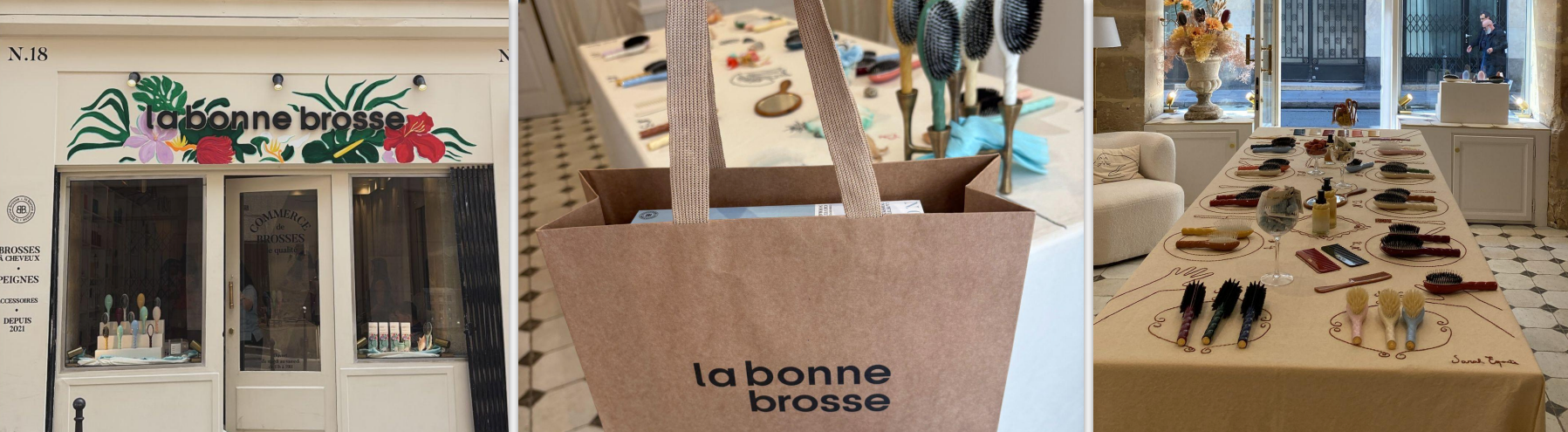
La Bonne Brosse: find your niche
La Bonne Brosse has built a retail proposition around something most people use every day: the hairbrush.
The French brand positions its premium, made-in-France brushes as self-care products rather than everyday functional items.
Its stores allow customers to test the products, understand the differences between brushes and get advice on which one suits them. The physical experience helps demonstrate why the products command a premium price and introduces customers to the wider haircare range.
Key takeaway: in a crowded market, a clear niche can give a brand a strong reason to be noticed. Physical retail can then bring that proposition to life.
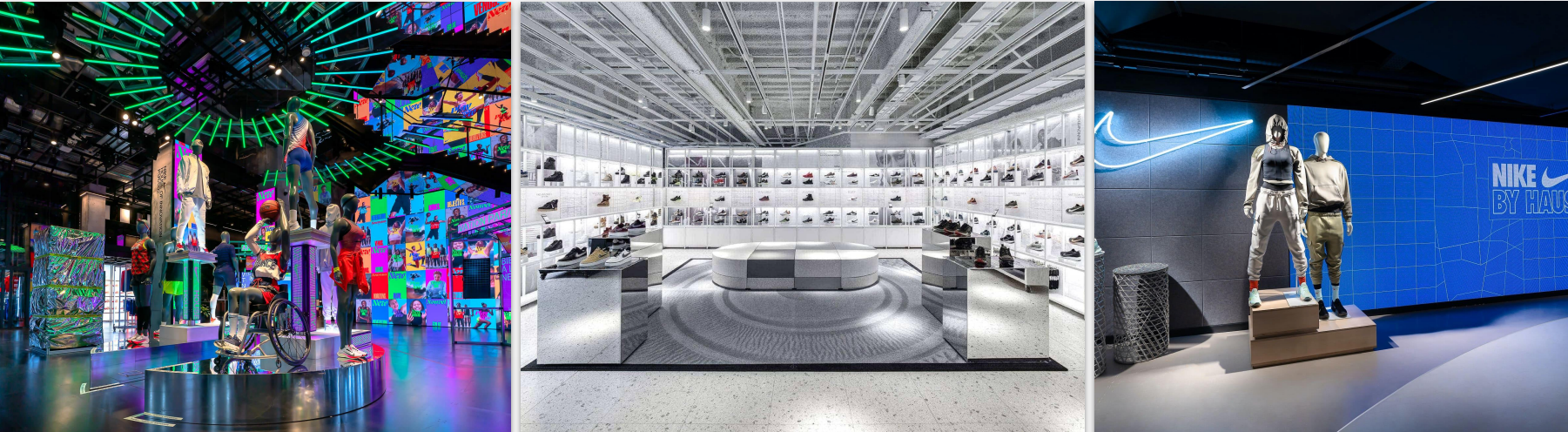
Nike House of Innovation: use technology where it adds value
Nike's Paris House of Innovation is its third such concept, following New York and Shanghai.
The store combines the building's heritage with a flexible, digitally enabled environment. Its modular layout can be regularly updated, while the product selection is tailored to local shoppers.
Customers can use Store Mode in the Nike app, access ‘Nike By You’ customisation and take part in expert sessions. The technology isn't there simply for the sake of adding digital elements to the store. It supports the shopping journey and gives customers access to services and experiences.
Key takeaway: retail technology works best when it solves a customer need or makes the experience more useful.
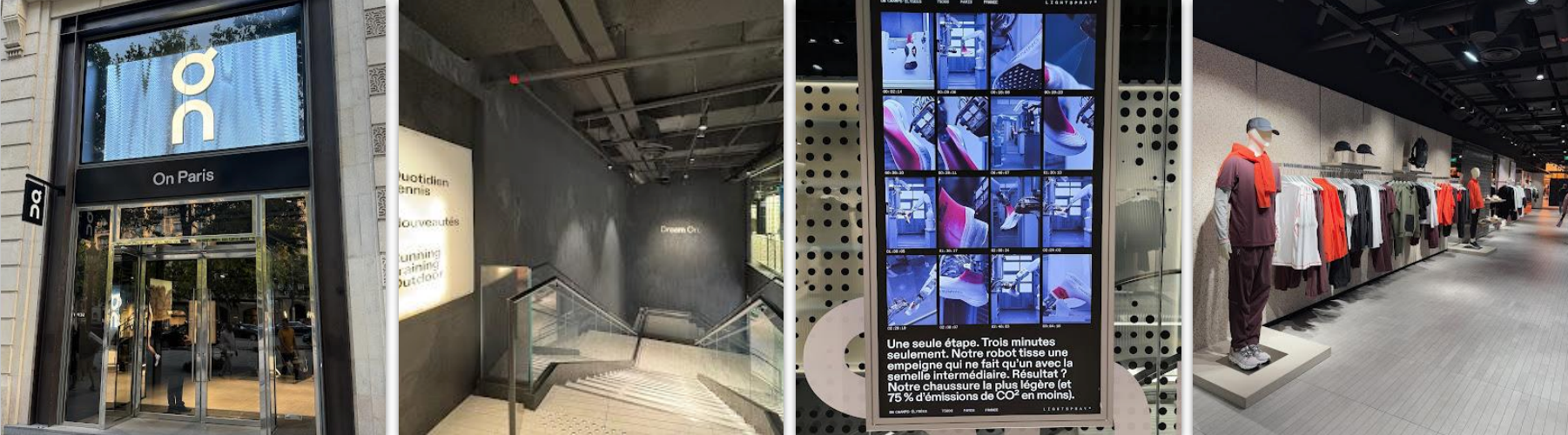
On Running: make product expertise part of the experience
On Running's Paris flagship is its largest yet, spanning 1,513m² across three floors.
The store combines a museum-inspired design with technology and innovation, encouraging customers to interact with the products rather than simply viewing them.
The standout feature is the Magic Wall, which uses gait-cycle analysis technology to assess a customer's running style. Shoppers can then explore the wider On footwear collection through the wall's pull-out storage. It's a practical use of technology that helps customers make a more informed product choice.
Key takeaway: the most useful retail technology doesn't distract from the product. It helps customers understand it.
What can retailers learn from stores in Paris?
The stores we visited all approach physical retail differently, but several common themes stood out.
- Stores are becoming more experiential. Retailers are using events, hospitality, customisation and expertise to give customers more reasons to visit.
- Technology is becoming more purposeful. The strongest examples use it to personalise the experience, provide useful information or make the path to purchase easier.
- The transaction is no longer the end of the customer journey. This is where the digital experience becomes just as important as the physical one. A customer might spend an hour exploring a flagship store, speaking to staff, trying products and eventually making a purchase. But once they walk out of the door, the retailer still has an opportunity to continue that relationship.
Using digital receipts to enhance the customer experience
A dynamic digital receipt can turn that transaction into another customer touchpoint, connecting the purchase to the customer and creating opportunities for loyalty, personalised content, product recommendations, returns, aftercare and future engagement.
For retailers investing heavily in creating better in-store experiences, that's an important part of the picture.
The store creates the experience. The digital receipt can help extend it.
Want to see how Yocuda can turn your receipts into a post-purchase engagement channel?
Get in touch with our team to arrange a demo.

.jpg?width=352&name=shoptalk%20store%20tour%20(1).jpg)